Address
304 North Cardinal
St. Dorchester Center, MA 02124
Work Hours
Monday to Friday: 7AM - 7PM
Weekend: 10AM - 5PM
Address
304 North Cardinal
St. Dorchester Center, MA 02124
Work Hours
Monday to Friday: 7AM - 7PM
Weekend: 10AM - 5PM
Welcome to Outboard Arena, your resource for understanding Yamaha Outboards, comparing engine options, and making informed boating decisions. Whether you own a fishing boat, a recreational vessel, or a family boat, choosing the right outboard motor can improve performance and reliability. In this guide, you will discover how Yamaha marine engines work, what to consider before buying, and how to maintain your engine for dependable operation.
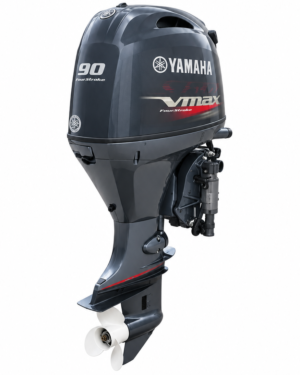
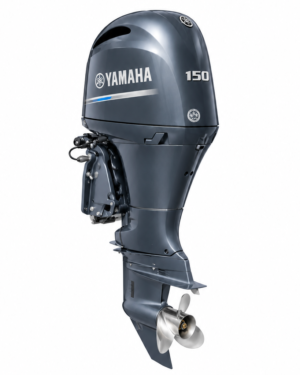
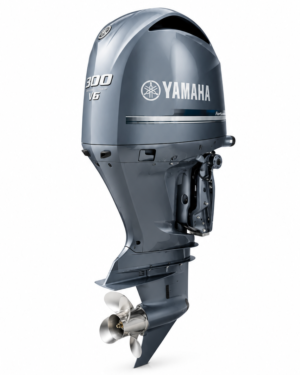
Yamaha Outboards serve a wide range of boating needs, from small fishing boats to larger offshore vessels. In addition, the brand offers different horsepower classes, allowing boat owners to match an engine to their vessel and intended use.
Furthermore, many boaters consider Yamaha outboard motors for their available engine configurations, established dealer network, and manufacturer-supported maintenance resources. However, the right choice depends on your boat’s specifications, operating conditions, and budget.
Before purchasing, compare the engine’s recommended applications, warranty terms, service requirements, and total ownership costs. Consequently, you can make a better-informed decision instead of choosing an engine based on brand reputation alone.
Yamaha marine engines come in different configurations and power ranges. Therefore, understanding the main categories helps you narrow your options.
Yamaha four-stroke outboards use a four-stroke combustion cycle to produce power. These engines are designed for modern recreational and commercial boating applications, depending on the model.
Additionally, four-stroke engines generally separate engine lubrication from fuel delivery. This design differs from traditional two-stroke engines that use oil mixed with fuel. However, specific maintenance needs, fuel consumption, and operating characteristics vary by model.
When comparing engines, review the manufacturer’s specifications for displacement, recommended fuel, oil requirements, and service intervals. This information helps you determine whether a particular engine suits your boating habits.
Selecting the correct outboard engine horsepower is essential for safe and efficient boating. For example, smaller boats often require less power than heavier vessels designed for offshore travel.
Nevertheless, you should never select horsepower based on boat size alone. Instead, check the boat manufacturer’s capacity plate, maximum rated horsepower, recommended engine weight, and intended operating conditions.
Consider these general factors when comparing Yamaha boat engines:
Always follow the boat manufacturer’s recommendations and applicable boating regulations.
When researching Yamaha Outboards, compare more than the advertised horsepower. Instead, evaluate the specifications that influence performance, compatibility, and ownership costs.
Fuel efficiency affects the cost of every boating trip. However, actual fuel consumption depends on engine size, boat design, passenger and cargo weight, propeller selection, weather, and throttle position.
Therefore, examine manufacturer specifications and independent test results for comparable boats and operating conditions. Also, consider cruising speed rather than focusing exclusively on maximum speed.
Outboard engine weight can influence a boat’s balance, handling, and transom loading. Consequently, verify the engine’s weight and mounting requirements before purchasing.
In addition, confirm shaft length, steering compatibility, control systems, and electrical requirements. These details can affect installation costs and overall suitability.
A new engine may offer current technology, applicable factory warranty coverage, and a documented service schedule. Conversely, a used Yamaha outboard motor may reduce the initial purchase price.
However, inspect used engines carefully before committing. Review service records, engine hours when available, corrosion, lower-unit condition, cooling-water flow, and evidence of previous repairs.
For a more complete assessment, arrange a professional marine inspection. This step can reveal potential problems that a visual check may miss.
Regular outboard motor maintenance helps protect your investment and supports reliable operation. Although service schedules differ across models, several basic practices apply to many marine engines.
First, follow the owner’s manual for recommended oil changes, filter replacements, and scheduled inspections. Next, inspect fuel lines, electrical connections, propeller condition, and mounting hardware at the intervals specified by the manufacturer.
Additionally, check the cooling-water telltale during operation and investigate unusual warning indicators, noises, or overheating symptoms promptly. Never continue operating an engine that shows signs of a serious mechanical problem.
Boating environments influence maintenance requirements. For example, saltwater boating can increase corrosion risks, so follow Yamaha’s flushing and corrosion-prevention instructions for your specific engine.
Similarly, freshwater boaters should inspect the cooling system, propeller, and exterior components regularly. In colder regions, proper outboard motor winterization can help prevent freeze damage during storage.
Always use the correct fluids, approved replacement parts, and model-specific service procedures.
Yes, many Yamaha outboard motors can suit fishing boats, provided the selected model matches the vessel’s specifications. However, the best choice depends on hull design, load, typical fishing conditions, and the boat manufacturer’s horsepower rating.
The service life of a Yamaha marine engine depends on maintenance, operating conditions, corrosion exposure, and usage. Therefore, consistent servicing and proper storage can help support longevity, although no fixed lifespan applies to every engine.
Start by identifying your boat’s approved horsepower range, transom requirements, and intended use. Then compare available Yamaha four-stroke outboards by horsepower, weight, features, service requirements, and total ownership cost.
Finally, consult an authorized Yamaha marine dealer when you need model-specific compatibility or installation advice.
Choosing among Yamaha Outboards becomes easier when you understand engine specifications, maintenance requirements, and boat compatibility. For that reason, Outboard Arena aims to help boat owners research outboard motors, compare marine engine options, and make informed purchasing decisions.
Explore our related boating guides to learn more about outboard engine maintenance, horsepower selection, fuel efficiency, troubleshooting, and used-engine inspections. As you compare your options, prioritize verified specifications, professional advice, and maintenance practices that match your particular engine.
Whether you are buying your first engine or maintaining an existing boat, reliable information can help you enjoy safer, better-informed boating decisions.
Showing all 5 results